


 Free Newsletter

Epic Systems wins dispute over employment agreement
By: Erika Strebel//May 21, 2018//


 Listen to this article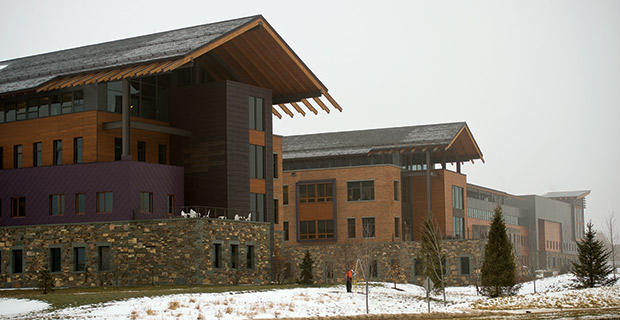
The U.S. Supreme Court has handed down a decision finding that employment agreements may contain clauses that prevent employees from banding together to sue their employer.
Monday’s decision, written by Justice Neil Gorsuch, resolves three cases before the court, one of which originates from Wisconsin. That case involved Jacob Lewis, a former technical writer who sued medical-software company Verona-based Epic Systems Inc., alleging it had shorted him on his wages.
Epic contended that because Lewis and his colleagues had signed in early 2014 documents waiving their right to collectively sue Epic, they couldn’t take their employment dispute to court as a group. Those documents were later added to paperwork all new hires are expected to complete.
The decision reverses favorable rulings handed down in Lewis’ case by District Court Judge Barbara Crabb and the 7th Circuit Court of Appeals.
Among the arguments the nation’s highest court rejected was Lewis’ contention that because the dispute involved employment, the National Labor Relations Act rendered the class-action waivers unenforceable. Lewis’ lawyers pointed to the NLRA’s Section 7, which prohibits employers from preventing employees from engaging in “concerted activities for the purpose of collective bargaining or other mutual aid or protection.”
However, the justices were not persuaded and sided with Epic and the other employers in the three cases.
The court’s 5-4 decision Monday is in line with its recent decisions upholding arbitration agreements and class-action waivers in consumer contracts. Observers had predicted that the justices would side with employers yet again, immunizing firms from expensive litigation and leaving employees to fend for themselves in employment disputes. Follow @erikastrebel
Related Articles

Related Content





Polls
 Loading ...
Today’s News
- Kraus-Anderson will deliver first phase of $175M Big Bend sports complex
- Long-delayed Milwaukee boutique hotel plans show signs of life
- I-794 bridge improvements starting in Milwaukee
- Wisconsin Pre-Bid Meetings – Week of May 4, 2026
- Construction worker killed in lumber pile collapse in West Bend
- Milwaukee to Madison train line to cost $200M with state help
- I-794 removal could see $500M in development, but more crashes
- Cobalt Partners changes up its Third Ward moving plans
- State program releases $135M for local roads
- Eau Claire approves $270M biomanufacturing facility deal
- Manitowoc port development gets $20 million boost
- Mark Hammond, Wauwatosa development director, will leave for nonprofit job








Project Profiles
- First prefabricated bridge in US installed in Eau Claire County
- Illinois developer worked with Wisconsin contractor to build 258-unit Wauwatosa apartment complex
- VJS Construction raises the roof for Bruce Guadalupe Community School expansion project
- Microgrid pilot project will store energy for village affected by outages
- Dane County sees uptick in highway work zone crashes, on track to exceed last year
- The Hop streetcar will debut newest service route in fall with limited service
- FPC Live slims venue proposal to 1 downtown building
- Children’s Hospital urgent care center in Milwaukee gets first round of city approval
- With Sonag Construction shut down, feds move to block indicted owner from collecting leftover assets
- Four contractors selected to build border wall prototypes
- UW-Milwaukee’s Greenstreet shaping minds (and the city)
- Turning the Corner(s) (PHOTO SLIDESHOW)