


 Free Newsletter

Consider 10 common risks in healthcare construction projects

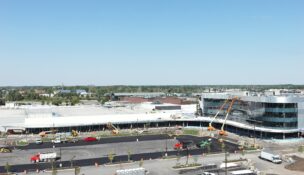
(Deposit Photos)
Consider 10 common risks in healthcare construction projects
By: BridgeTower Media Newswires//June 18, 2026//



The ever-increasing demand for healthcare services has brought a boom in construction. These projects, including new hospitals and specialty care centers and expansions of existing facilities and systems, present a distinct mix of operational pressure and legal complexity. These projects often involve complex phasing, tight schedules, demanding specifications, and work that can impact ongoing healthcare operations. The legal risks are not confined to typical construction disputes and handling them effectively requires careful consideration and planning relative to how the contracts are structured and administered.
Based on common issues seen across a variety of healthcare construction projects, the following 10 areas are where an ounce of prevention can yield a pound of cure for owners.
- Hidden assumptions and clarifications
Contractor proposals frequently include assumptions, clarifications, or exclusions, often in the form of an “Assumptions and Clarifications” list or document. These may be incorporated into the contract, sometimes as exhibits, and can override negotiated contract terms if not carefully reviewed and aligned.
Typical risk areas include: overuse of allowances, including critical scope items; shift of permit or insurance responsibility to the owner; shift of risk for material price increases; allocation of risk for site conditions (e.g., groundwater, dewatering, utility conflicts); and gaps between subcontractor scopes.
Protection strategies include: requiring early review by the full development team, including the owner’s representative; avoiding incorporation of these documents into the contract by reference where possible; and if incorporated, confirming provisions establishing the order of precedence among the various contract documents to match the intended risk allocation.
- Consequential and liquidated damages
Healthcare projects often involve significant downstream impacts such as loss of use, delayed occupancy, or financing consequences. Most construction contracts include mutual waivers of these sorts of consequential damages, typically accompanied by liquidated damages for delays. For the owner, the goal is to ensure there are meaningful remedies if the project is delayed.
Key considerations are: identifying what damages are being waived (for both owner and contractor); carefully drafting liquidated damages provisions to ensure enforceability; evaluating whether liquidated damages provide an adequate remedy; and considering carve-outs for insurance, indemnity, and misconduct.
- Design errors and risk allocation
Design gaps and coordination failures remain common sources of disputes in healthcare construction. When contractors build to owner-provided plans, the owner may effectively bear responsibility for design adequacy. When there are design problems, the owner can end up in the middle of a “two-front” dispute against both the contractor and the designer.
Risk management includes: reviewing liability limitation provisions in design agreements; confirming professional liability insurance coverage and limits; avoiding overly broad owner representations or warranties; and preserving rights against designers early where issues emerge.
- Delays and force majeure
Force majeure delays — that is, delays outside of either party’s control—are common in construction, and recent issues ranging from supply chain instability to labor shortages have highlighted the importance of carefully negotiating and clearly drafting provisions to address these delays. Ambiguity often causes disputes when projects are disrupted.
Best practices include: limiting relief to schedule extensions (“time, not money”) where appropriate; clearly defining qualifying events to reduce ambiguity; enforcing notice requirements strictly; and using preconstruction to identify long-lead materials and mitigate delay risk.
- Changes and claims management
Construction contracts anticipate change. Change orders and construction change directives allow work to proceed while pricing and schedule impacts are resolved, but they often generate disputes if not managed carefully. Unresolved changes are a leading driver of claims and cost overruns.
To manage this process effectively: define the method for equitable adjustments during contract negotiation; seek agreement on scope and pricing contemporaneously where possible; require contractors to continue performance despite disputes; and understand that executed change orders may operate as “accord and satisfaction.”
- Notice and dispute procedures
Contractual notice provisions are critical for keeping owners informed about issues that arise and claims as they develop. They can also be key owner protections, as a contractor’s failure to comply with notice requirements can result in waiver of claims.
To reduce risk: draft practical and clear notice provisions; train project teams on compliance requirements; monitor notice obligations throughout a project’s life cycle; and document any intentional deviations from contractual procedures.
- Warranty and closeout
Healthcare facilities usually incorporate highly integrated systems and involve extremely sensitive operations, so it’s critical for owners to have warranty protection for both construction work and installed products. Proper handling of warranty obligations and documentation during construction and at project closeout is important.
Key considerations include: negotiating warranty scope and duration carefully; considering the difference between correction-of-work obligations and warranty obligations; ensuring both correction and warranty obligations flow down to subcontractors; requiring full warranty documentation as part of close-out deliverables; and tracking timelines for asserting warranty claims.
- Liens and payment risk
Contractors, subcontractors, and even designers may assert liens if payment disputes arise. These claims can complicate financing and delay completion. Early attention to lien risk helps prevent escalation into more costly disputes.
Effective risk management includes: requiring lien waivers with each payment application; verifying receipt before releasing funds; considering joint check arrangements; and acting promptly to address invalid or excessive liens.
- Insurance coverage gaps
Failure to procure required insurance can shift substantial risk back to the owner. To ensure that insurable risks are properly allocated as the parties contemplate, it is important to pay close attention to the insurance requirements. They should be realistic, enforceable, and actively verified.
Best practices include: engaging insurance advisors before finalizing contract requirements; confirming what coverage is commercially available; reviewing certificates, endorsements, and policy terms prior to construction; and following up during the project to ensure ongoing compliance.
- Cumulative impact claims
Cumulative impact or “ripple effect” claims allege lost productivity resulting from multiple project changes. These claims are often difficult to quantify and can significantly increase project costs. They are best addressed through disciplined project administration and documentation.
To manage exposure: include strong waiver language in change orders; avoid broad reservation-of-rights provisions; maintain active owner involvement throughout the project; and monitor staffing, sequencing and project coordination in real time.
Conclusion
Across healthcare construction projects, legal risk rarely arises from a single issue. Instead, it develops through the interaction of contract language, project execution, and evolving conditions over time. By engaging early and carefully, insisting on clarity in contract documents, and remaining actively involved throughout project delivery, counsel can significantly reduce disputes and improve outcomes.
Related Articles

Related Content





Today’s News
- $24M mixed-use development breaks ground
- Supervisor calls for referendum on Milwaukee County Courthouse revamp
- $19M mixed-use project tackles city’s biggest issues
- US existing home sales unexpectedly fall in June
- Milwaukee Water Street nightlife locations for sale
- Milwaukee mayor favors improving I-794 freeway over removal
- Wisconsin Pre-Bid Meetings – Week of July 13, 2026
- 200-unit apartment project wins 2nd city endorsement
- ON THE LEVEL: Josh Brown takes the torch at Bliffert Lumber
- BUILDING BLOCKS: Tom’s Drive In nears completion in Fond du Lac
- Computing facility dropped from Midtown Center redevelopment in Milwaukee
- Delayed Bay View development reaches Milwaukee Common Council





Project Profiles
- First prefabricated bridge in US installed in Eau Claire County
- Illinois developer worked with Wisconsin contractor to build 258-unit Wauwatosa apartment complex
- VJS Construction raises the roof for Bruce Guadalupe Community School expansion project
- Microgrid pilot project will store energy for village affected by outages
- Dane County sees uptick in highway work zone crashes, on track to exceed last year
- The Hop streetcar will debut newest service route in fall with limited service
- FPC Live slims venue proposal to 1 downtown building
- Children’s Hospital urgent care center in Milwaukee gets first round of city approval
- With Sonag Construction shut down, feds move to block indicted owner from collecting leftover assets
- Four contractors selected to build border wall prototypes
- UW-Milwaukee’s Greenstreet shaping minds (and the city)
- Turning the Corner(s) (PHOTO SLIDESHOW)